Why Understanding Your Business Bin Collection Cost Matters
Business bin collection cost is more than just a line item on your monthly expenses—it’s a variable that directly impacts your bottom line and operational efficiency. Whether you’re running a construction site, managing a commercial property, or operating a retail business, understanding what you’re paying for waste removal and why those costs fluctuate can save you hundreds or thousands of dollars annually.
Quick Answer: What Determines Business Bin Collection Costs?
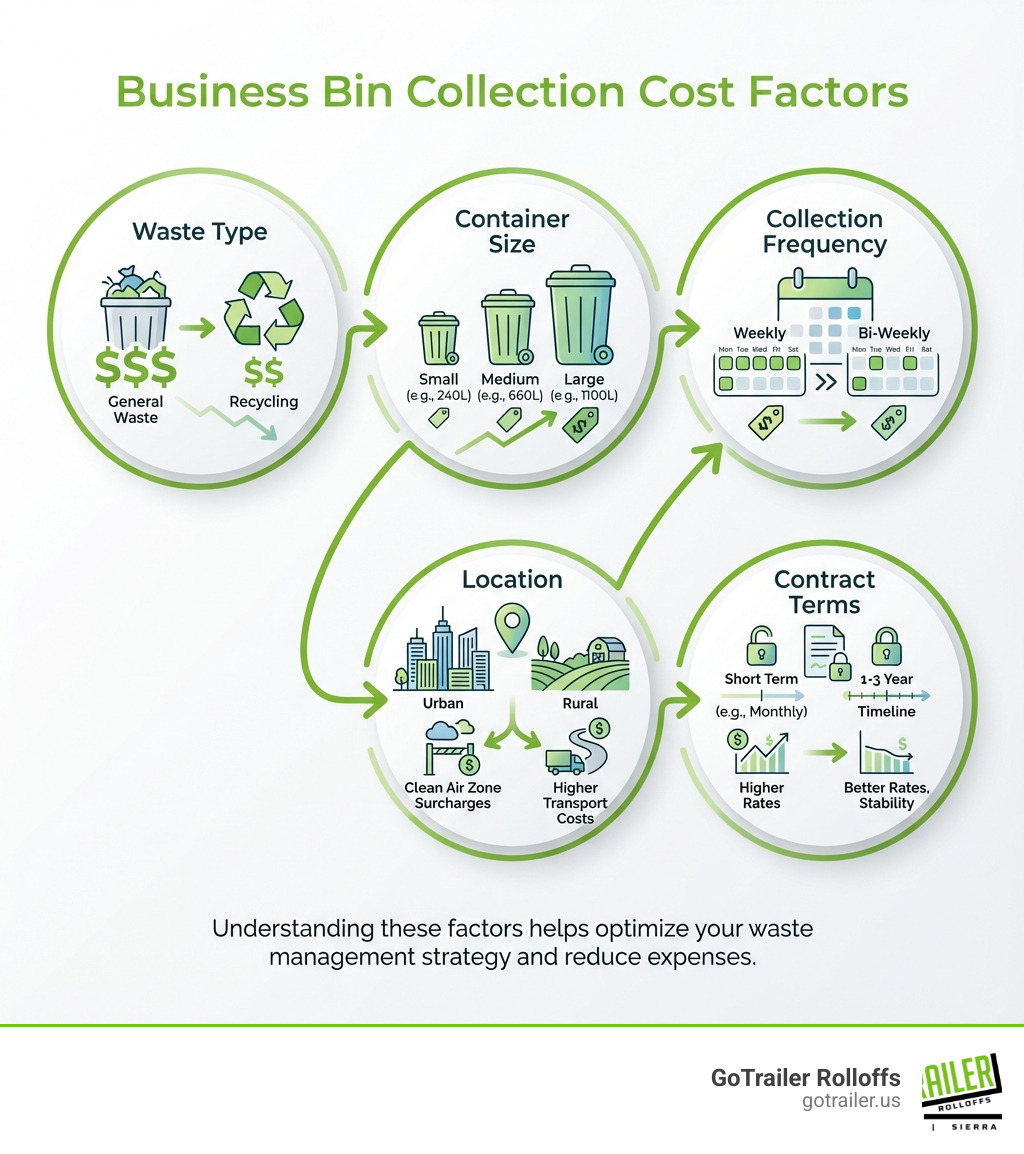
Your business bin collection cost depends on five primary factors:
- Waste Type: General waste ($170-$250/ton) costs significantly more than recycling ($90-$180/ton)
- Container Size: Ranges from 240-litre bins at ~$8/collection to 1100-litre bins at ~$21/collection
- Collection Frequency: Weekly pickups cost roughly double bi-weekly service
- Location: Urban areas may have surcharges due to congestion, while rural areas can face higher transport costs
- Contract Terms: Longer contracts (1-3 years) typically offer better rates than month-to-month agreements
Additional charges that can surprise businesses include contamination fees (when recyclables are mixed with general waste), excess weight surcharges, failed collection charges, and various compliance documentation fees. Most commercial waste contracts also include applicable state and local sales tax.
The difference between businesses that control their waste costs and those that don’t often comes down to one thing: understanding what they’re actually paying for. According to industry data, dry mixed recycling disposal can cost half as much as general waste disposal per ton, yet many businesses still send recyclable materials to expensive landfills simply because they haven’t analyzed their waste streams or optimized their service agreements.
I’m Stephen Daniels, Chief Operating Officer at GoTrailer Rolloffs, where I’ve spent years helping businesses across Southern Arizona steer the complexities of business bin collection cost and waste management logistics. Through working with contractors, property managers, and commercial clients, I’ve seen how proper waste planning can transform both operational efficiency and monthly expenses.
The Anatomy of Your Bill: What’s Included in the Price?
When you receive your waste collection bill, it might look like a straightforward charge for services rendered. However, a lot goes into that final number. Understanding these components is the first step in decoding your business bin collection cost and finding opportunities for savings. Generally, your bill covers bin rental, collection charges, disposal costs, landfill fees, and various compliance documentation. Think of it as a comprehensive package designed to keep your waste flowing smoothly from your business to its final resting place. At GoTrailer Rolloffs, we believe in transparent pricing, so let’s break down what you’re truly paying for. You can learn more about our offerings on our Services page.
Bin Rental and Collection
First up, the physical bin itself. Whether it’s a wheeled bin or a large roll-off dumpster, there’s a cost associated with having that container on your property. This is your container rental fee. For smaller bins, this might be a weekly or monthly charge, while for our roll-off dumpsters, it’s usually part of a flexible rental period. The size and type of container you need will directly influence this fee.
Then there are the collection charges. This is the cost for the waste management provider (like us!) to send a truck to your business, empty your bin, and transport its contents away. This includes the fuel for the truck, the labor costs for our diligent drivers, and the general operational overhead. The frequency of these scheduled pickups is a major factor here; more frequent collections mean higher overall collection charges. We ensure our transportation logistics are efficient to keep these costs fair for our customers in Sierra Vista, Tucson, and across Southern Arizona.
Disposal and Compliance
Once your waste is collected, it doesn’t just magically disappear. It needs to be properly disposed of, and that comes with its own set of costs. Disposal costs are incurred at the landfill or recycling facility where your waste ultimately ends up. For general waste, this often includes a landfill tax or equivalent disposal fee, which can be a significant portion of your bill. This tax is a levy designed to encourage waste reduction and recycling by making landfilling more expensive.
For businesses, there are also compliance documentation requirements. This might include a waste transfer note, which legally tracks your waste from its origin to its disposal point. While the UK has specific “Duty of Care” certificates, the underlying principle of regulatory compliance and proper documentation applies to businesses everywhere, including here in Arizona. Ensuring your waste is handled legally and responsibly is not just good practice; it’s often a legal requirement. These regulatory costs ensure that waste is managed in an environmentally sound manner. Understanding these aspects helps you grasp the full picture of your business bin collection cost.
Key Factors That Determine Your Your Business Bin Collection Cost
Navigating waste management can feel like a labyrinth, but once you understand the key factors influencing your business bin collection cost, you gain significant control. It’s not just about how much waste you produce, but also what kind it is, how often it’s collected, and even where your business is located.
We always encourage our clients to conduct thorough waste audits and review their service agreements regularly. Comparing service options, whether for a one-time project or ongoing needs, is crucial for finding the most cost-effective solution custom to your business.
Waste Type & Volume: The Biggest Cost Driver
This is perhaps the most critical factor. What you’re throwing away makes a huge difference in your business bin collection cost.
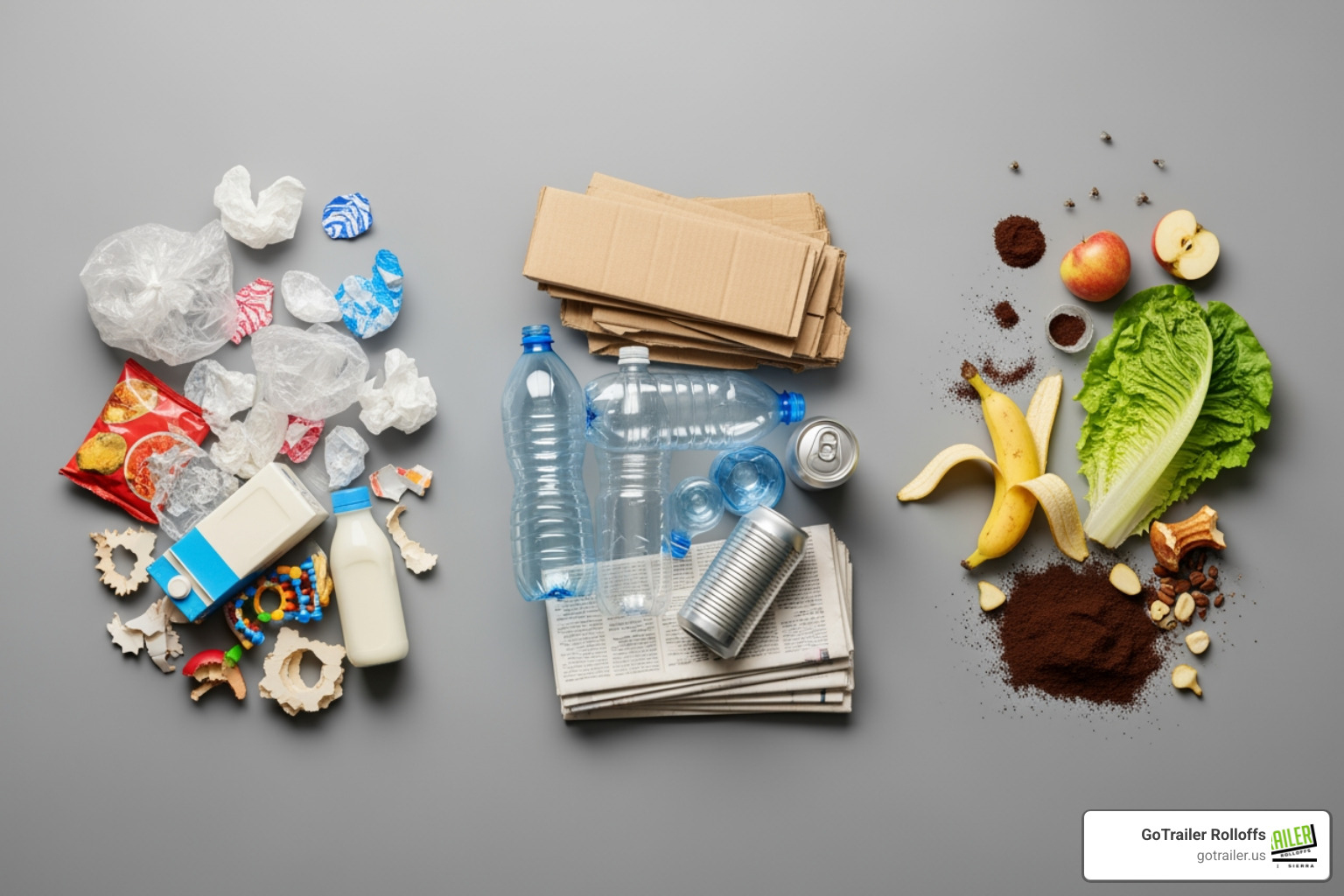
- General waste costs: This is typically the most expensive to dispose of because it often ends up in a landfill. Landfill space is finite, and environmental regulations make it costly to operate these sites. As a general benchmark, business waste can often cost between $170 to $250 per ton to dispose of. While specific figures vary by location, the principle holds true: general waste is pricey.
- Dry mixed recycling: Ah, the hero of savings! Materials like paper, cardboard, plastics, and metals, when kept separate and clean, are much cheaper to process. Dry mixed recycling disposal costs can be significantly lower, sometimes ranging from $90 to $180 per ton—potentially half the cost of general waste. This is a clear financial incentive to recycle!
- Food waste disposal: Specialized collection for food waste often requires specific bins and collection schedules. The costs here can vary widely depending on volume and local processing facilities.
- Cardboard & paper recycling: Often free or very low cost, especially for businesses that generate large volumes. This is a prime example where segregating waste can lead to substantial savings.
- Per-ton pricing examples: While specific prices in Southern Arizona will vary, industry data illustrates the trend: uncontaminated plastic, paper, cardboard, and glass recycling can range from being free to costing up to $70 per ton, whereas general waste is consistently at the higher end.
The takeaway? If you’re mixing everything into one bin, you’re likely paying top dollar for waste that could be cheaper to dispose of.
Bin Size & Collection Frequency’s Impact on Your Business Bin Collection Cost
It might seem obvious, but the size of your bin and how often it’s emptied directly impacts your business bin collection cost.
- Common bin sizes: Waste containers come in a variety of sizes to suit different business needs. For smaller operations, you might see wheeled bins ranging from 240-litre to 360-litre. Larger businesses often use 660-litre or 1100-litre wheeled bins, or even bigger roll-off dumpsters. As an example, a weekly collection for a large 1100-litre bin might cost around $20-$30 per lift, plus rental and disposal fees.
- Weekly vs. fortnightly collection: The more frequently your bins are emptied, the higher your costs will be. A bi-weekly collection, for instance, could cost half as much as a weekly service. For businesses with steady, manageable waste streams, optimizing this frequency is a quick win for cost savings.
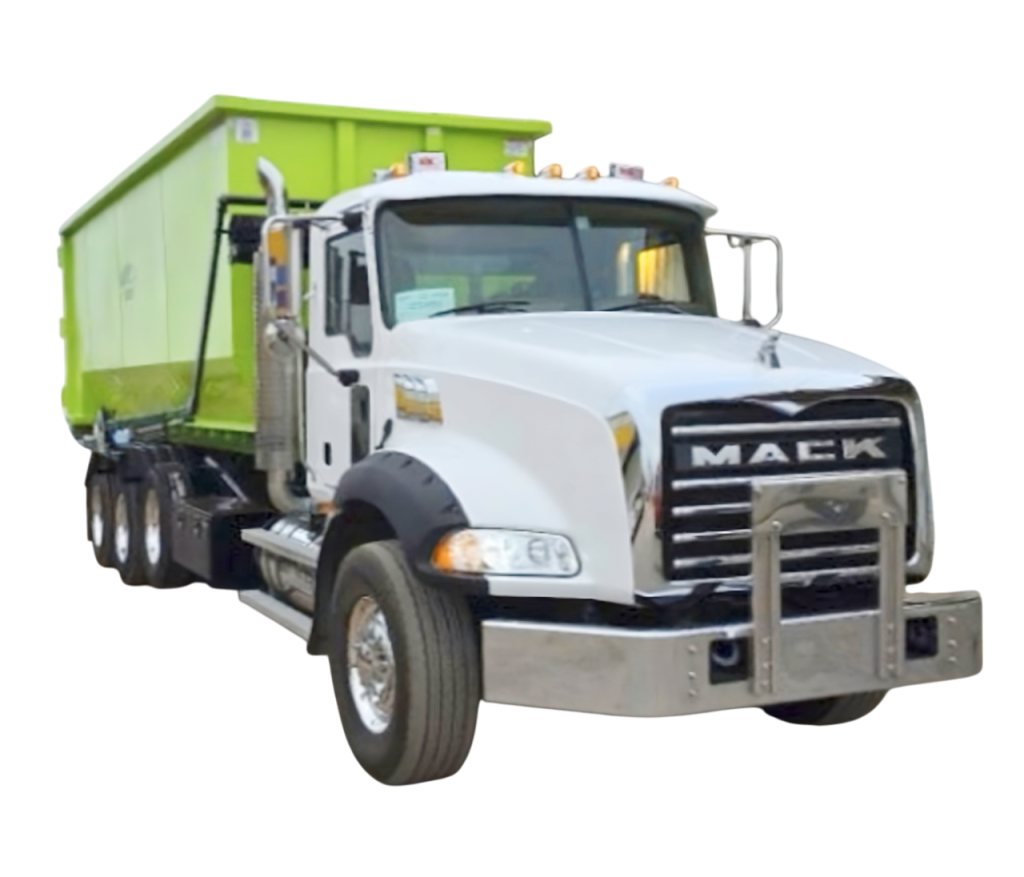
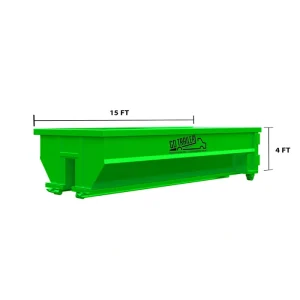
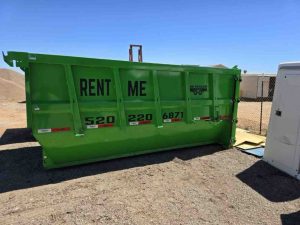
- Matching bin size to output: This is where we at GoTrailer Rolloffs really shine. Choosing the right size dumpster for your project or ongoing needs is crucial. An undersized bin will lead to overflow, potential extra collections, or even contamination fees. An oversized bin means you’re paying for unused capacity. We help our customers select the perfect fit, whether it’s a 15-yard, 20-yard, 30-yard, or 40-yard roll-off dumpster.
Unsure about what size you need? Check out our guide: What Size Dumpster Rental Should I Pick? A Practical Guide for Homeowners and Contractors.
How Location & Logistics Affect Pricing
Where your business is located in Southern Arizona can significantly sway your business bin collection cost.
- Urban vs. rural collection costs: Businesses in remote or rural areas like Hereford, Palominas, or Elfrida might face higher collection costs due to the longer travel distances for waste collection vehicles. Conversely, highly congested urban areas like Tucson might have their own logistical challenges, potentially leading to specific route planning surcharges.
- Proximity to disposal sites: The closer your business is to a landfill or recycling facility, the lower the transportation costs for your waste provider will be. This can translate into better rates for you.
- Local regulations: While we don’t have “Clean Air Zone” charges like some European cities, local regulations and fees in places like Sierra Vista or Tombstone can still impact operational costs for waste haulers, which are then reflected in your bill. We stay on top of all local requirements to ensure our services are compliant and competitively priced.
Contract Terms, Service Options, and Your Business Bin Collection Cost
The agreement you have with your waste management provider also plays a pivotal role in your business bin collection cost.
- Contract length: Many providers offer better rates for longer commitments. A 1-3 year contract typically locks in pricing and can provide cost certainty, often at a lower monthly rate than a month-to-month agreement.
- Monthly payments: Most commercial waste contracts are structured with fixed monthly payments, which helps businesses manage their cash flow.
- Comparing quotes: This is a non-negotiable step. Always get multiple quotes and compare the services included, not just the bottom line. Understand the terms, potential hidden fees, and the overall value. At GoTrailer Rolloffs, we pride ourselves on fair pricing and flexible rental periods, ensuring you get the best solution for your needs.
To understand how easy it is to get started with us, read about our process: Dumpster Rental Process: Order to Pickup.
Beyond the Basics: Uncovering Hidden Fees and Surcharges
Just when you think you’ve got your business bin collection cost figured out, a glance at your bill might reveal some unwelcome surprises. These aren’t always “hidden” in the nefarious sense, but they can be unexpected if you haven’t read the fine print of your service agreement. We believe in transparency, so let’s shine a light on these potential extra charges.
It’s crucial for businesses in Sierra Vista, Tucson, and our other service areas in Southern Arizona to be aware of these possibilities when budgeting for waste management.
Common Additional Charges
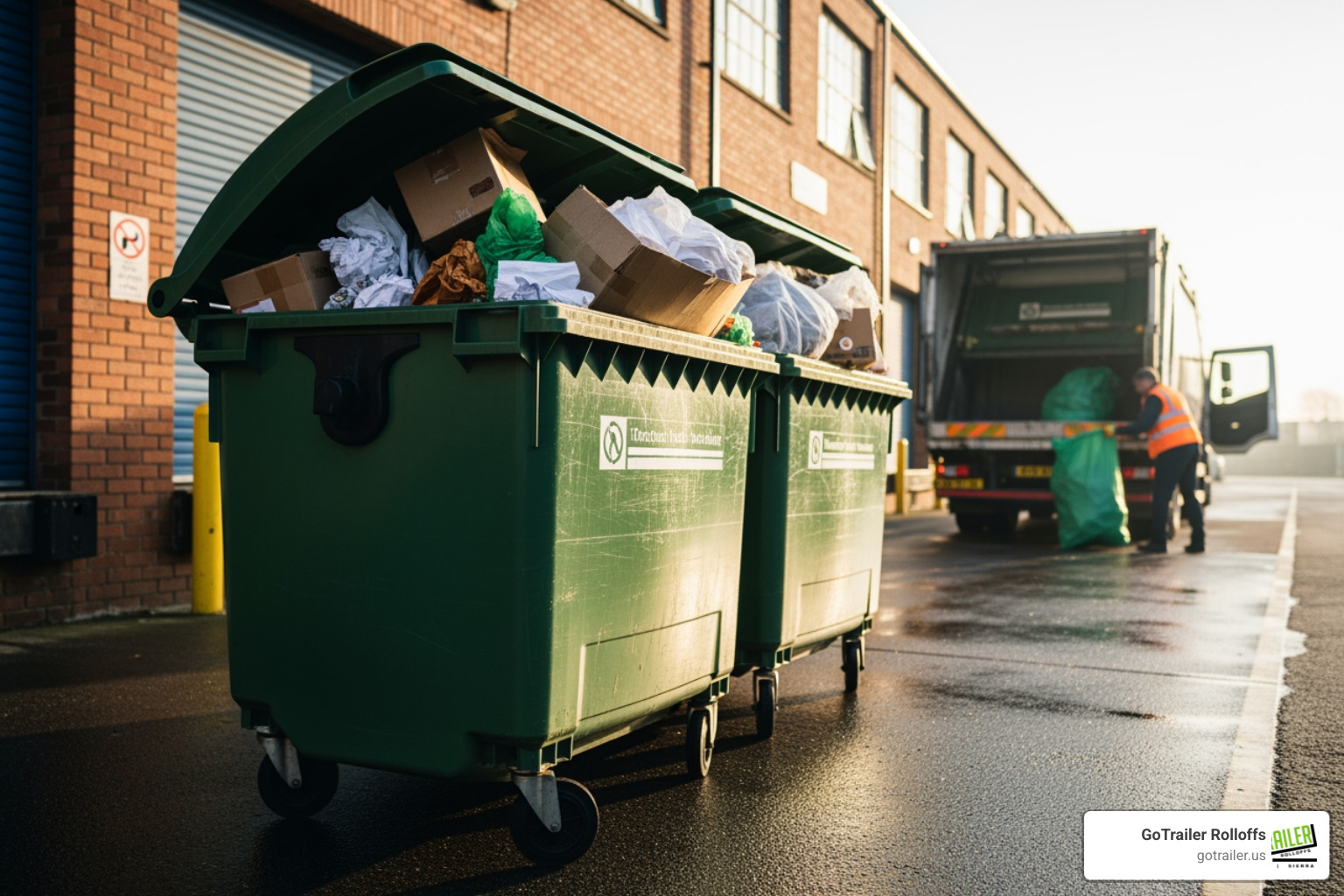
- Excess weight charges: Dumpsters and bins have weight limits. If your waste exceeds this limit, you could face significant surcharges. This is particularly common with construction debris like concrete, brick, or dense mixed waste. For example, some services charge an additional $95/MT for contaminated loads or specific materials.
- Contamination fees: This is a big one, especially if you’re trying to recycle. If your recycling bin contains materials that aren’t recyclable (like food waste in a paper recycling bin), the entire load might be deemed “contaminated.” This can result in your load being reclassified as general waste, incurring a higher disposal cost, and potentially a contamination fee.
- Failed collection fees: Imagine your bin isn’t accessible on collection day—maybe it’s blocked by a vehicle, or locked behind a gate. The waste hauler might charge a “dry run” or failed collection fee because they still incurred the cost of sending a truck and driver.
- Container damage costs: While less common, if your bin or dumpster is damaged due to misuse or neglect, you might be charged for repairs or replacement.
Taxes and Levies
Taxes are an unavoidable part of doing business, and waste collection is no exception.
- Sales Tax on Services: Unlike some countries that use a Value-Added Tax (VAT), businesses in the U.S. must account for sales tax. Here in Arizona, businesses pay a Transaction Privilege Tax (TPT) on services like dumpster rentals and waste collection. The exact rate can vary by city and county (e.g., Tucson vs. Sierra Vista), so it’s important to understand how these local taxes apply to your business bin collection cost.
- Landfill and Environmental Fees: While sometimes called a “landfill tax” in other regions, the concept of environmental levies on waste disposal is widespread. These charges are intended to deter landfilling and encourage more sustainable waste management practices by making disposal more expensive.
For a broader understanding of how government tax rules apply to waste, you can refer to resources like Government tax rules for waste, keeping in mind that specific tax regimes will vary by country and state.
Smart Strategies to Reduce Your Commercial Waste Disposal Costs
Now that we’ve peeled back the layers of your business bin collection cost, let’s talk about how to shrink it. It’s not just about finding the cheapest provider; it’s about smart waste management. We’ve seen countless businesses in Southern Arizona save money and improve their environmental footprint by adopting these strategies.
Conduct a Waste Audit
This is perhaps the most impactful step you can take. A waste audit is essentially a deep dive into your trash, often literally!
- Identifying waste streams: What exactly are you throwing away? Is it mostly cardboard, food scraps, or general office waste? You might be surprised at what you find.
- Measuring waste volume: How much of each type of waste are you generating? This helps you determine if your current bin size and collection frequency are appropriate.
- Finding reduction opportunities: Once you know what you’re discarding, you can identify ways to reduce it. Can you switch to reusable containers, go paperless, or compost food waste? For contractors, understanding waste streams helps in selecting the right dumpster for different materials. Learn more about how we help contractors manage their waste efficiently: Dumpster Rental for Contractors.
Maximize Recycling and Segregation
This strategy is a golden ticket to lower costs.
- Separating recyclables: The more you separate your recyclables (paper, cardboard, plastics, glass, metals) from general waste, the more you save. Recycling is almost always cheaper than landfilling.
- Reducing general waste: By diverting as much as possible to recycling, you reduce the volume and weight of your general waste, which is the most expensive to dispose of.
- Cheaper disposal rates for recycling: As discussed, dry mixed recycling can cost significantly less per tonne than general waste. Make use of this financial incentive!
- Color-coded bins: Simple, clear signage and color-coded bins make it easy for staff and customers to sort waste correctly, minimizing contamination.
Optimize Your Service
Once you understand your waste, you can tailor your service to match.
- Choosing the right bin size: Based on your waste audit, select a dumpster size that perfectly matches your output. Too small means extra pickups or overflow; too large means wasted money. We can help you pick the ideal roll-off dumpster size for your project, from 15-yard to 40-yard containers.
- Adjusting collection frequency: If your bins are consistently half-empty, you might be able to reduce collection frequency. If they’re always overflowing, you might need more frequent pickups or a larger bin.
- Negotiating your contract: Don’t be afraid to discuss terms with your provider. If you’ve optimized your waste streams and can demonstrate lower volumes of general waste, you’re in a stronger position to negotiate better rates.
Ready to explore options? Check out our Dumpster Rental Prices.
Frequently Asked Questions about Business Bin Collection Costs
We hear a lot of questions about business bin collection cost, and that’s perfectly normal! It’s a complex area. Here are some of the most common inquiries we receive from businesses across Southern Arizona.
What is the cost difference between general waste and recycling?
The cost difference can be substantial, making recycling a smart financial move.
- General waste disposal costs: This is typically the most expensive category because it usually ends up in a landfill, incurring higher disposal fees and environmental taxes. As a benchmark, costs for general business waste can range from $170 to $250 per ton in some areas.
- Recycling disposal costs: Disposal for recyclables is generally much cheaper, and sometimes even free for clean, segregated materials like cardboard. Dry mixed recycling disposal typically ranges from $90 to $180 per ton. Specialized recycling for paper, cardboard, glass, or plastic can be even less, sometimes ranging from free to $70 per ton.
- Financial incentive to recycle: This disparity creates a clear financial incentive. By separating your waste, you can significantly reduce your overall business bin collection cost.
- Per-ton cost comparison: The data consistently shows that the per-ton cost of disposing of general waste is often double, or even more, than that of recycling.
Can I negotiate my commercial waste rates?
Yes, absolutely! We always encourage businesses to be proactive.
- Bundling services: If you have multiple waste streams (e.g., general waste and a dedicated cardboard recycling dumpster), bundling these services with a single provider can often lead to better rates.
- Long-term contracts: Committing to a longer contract period (e.g., 1-3 years) often allows providers to offer more competitive pricing.
- Comparing quotes: Always get quotes from several providers. This gives you leverage and ensures you’re getting a fair market rate.
- Demonstrating low contamination rates: If you consistently provide clean, well-segregated recycling, you can highlight this to your provider. It makes their job easier and can be a point for negotiation.
Are there any truly “hidden” fees I should watch out for?
While reputable providers like GoTrailer Rolloffs strive for transparency, some charges can be unexpected if not clearly understood upfront.
- Compliance documentation fees: In the U.S., these are often called manifest fees or environmental fees. They cover the legally required paperwork that tracks your waste from your business to its final disposal site, ensuring it’s handled responsibly.
- Administrative fees: These can cover things like setting up new accounts, making changes to your service, or processing paperwork.
- Reviewing contract terms: The best defense against unexpected fees is to thoroughly read and understand your contract before signing. Ask questions about anything unclear, especially regarding excess weight, contamination, failed collections, and environmental surcharges.
Conclusion: Taking Control of Your Waste Management Budget
Understanding your business bin collection cost is not just about pinching pennies; it’s about smart business management. By delving into the anatomy of your waste bill, recognizing the key factors that drive costs, and being aware of potential hidden fees, you empower yourself to make informed decisions.
The key takeaways are clear: proactively managing your waste through segregation and optimization can lead to significant cost savings. Embracing recycling not only reduces your expenses but also demonstrates your commitment to environmental responsibility, a value we deeply share at GoTrailer Rolloffs.
We pride ourselves on providing reliable, professional roll-off dumpsters with fair pricing and flexible rental periods for businesses across Sierra Vista, Tucson, Hereford, Fort Huachuca, and all our service areas in Southern Arizona. Whether you’re a contractor with a large construction project or a business needing regular waste solutions, we’re here to help you get control of your waste management budget.
Don’t let your waste costs pile up! For all your commercial waste needs, explore our Commercial Dumpster Rentals and let us help you find the perfect solution.